



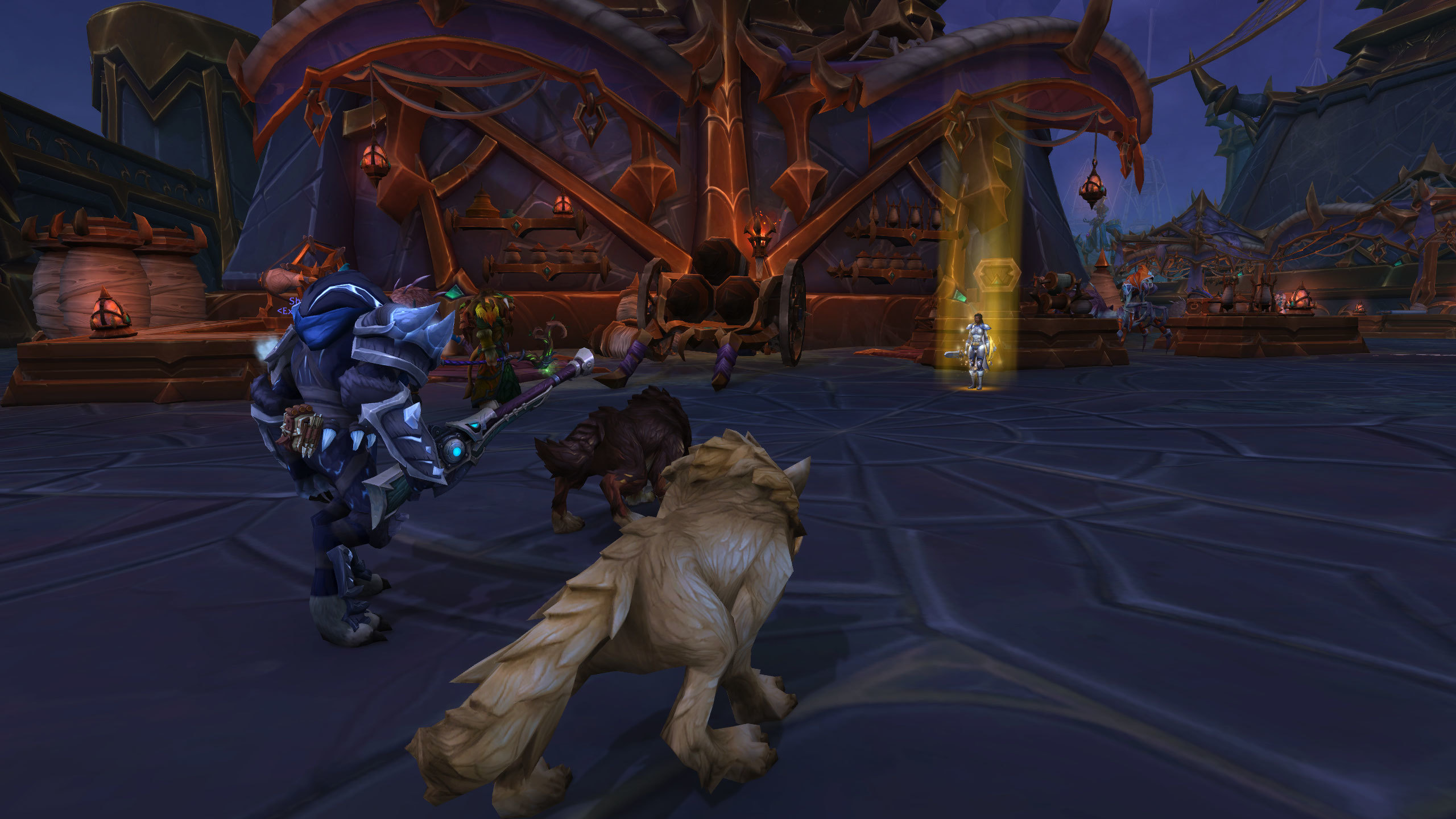

Dungeon boss encounters increasingly reward player awareness rather than pure damage output. As mechanics become more layered, success depends on recognizing patterns, reacting correctly, and maintaining spatial control.

This design shift emphasizes decision making. High damage numbers matter less when mechanics punish inattention quickly and consistently.
Mechanics Punish Tunnel Vision
Modern boss fights frequently include overlapping abilities that demand constant attention. Players focused solely on maximizing output often miss critical cues.
These lapses lead to avoidable damage, failed mechanics, and forced recoveries that negate any advantage gained from higher damage.
Awareness Enables Predictive Movement
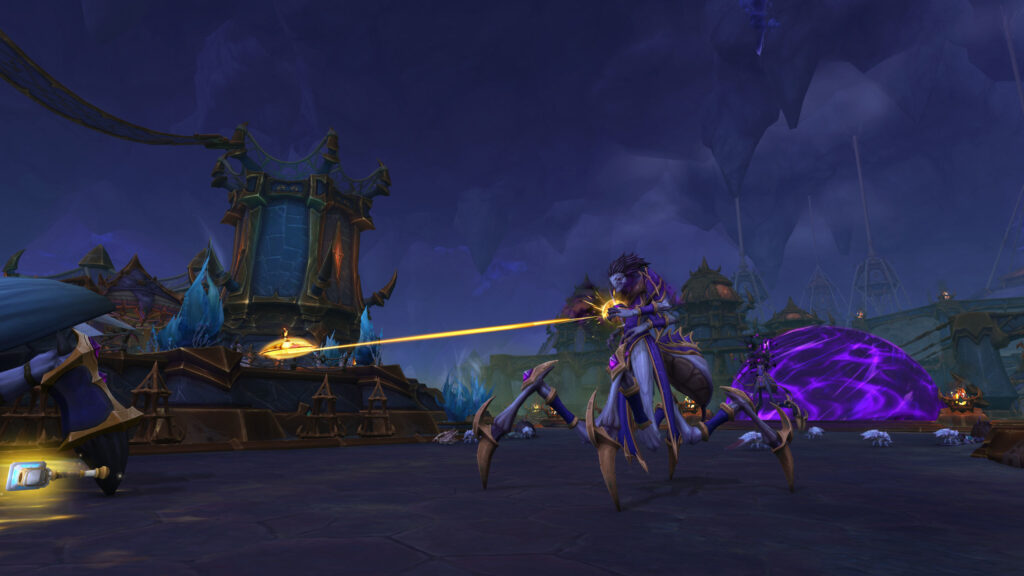
Players who read mechanics early reposition proactively instead of reacting at the last moment. This anticipation preserves uptime while avoiding danger.
Predictive movement reduces reliance on defensive cooldowns, keeping resources available for moments that truly require them.
Group Awareness Stabilizes Encounters
Boss mechanics often target multiple players simultaneously. When awareness is shared across the group, movement remains coordinated rather than chaotic.
This coordination prevents collisions, overlapping damage zones, and chain reactions that destabilize fights.
| Player Focus | Immediate Result | Fight Outcome |
|---|---|---|
| High awareness | Clean responses | Controlled kill |
| Output fixation | Missed mechanics | Recovery strain |
| Predictive movement | Uptime preserved | Stable pacing |
| Reactive play | Late adjustments | High error risk |
Awareness Scales Better Than Damage
As dungeon difficulty increases, awareness scales more reliably than output. Mechanics grow more punishing while damage requirements rise gradually.
Groups that prioritize awareness progress smoothly, while damage-focused groups hit sudden walls despite strong numbers.
Conclusion
Dungeon boss design rewards awareness over output by prioritizing correct reactions and positioning.
Players who stay attentive and anticipate mechanics succeed more consistently than those focused only on damage maximization.